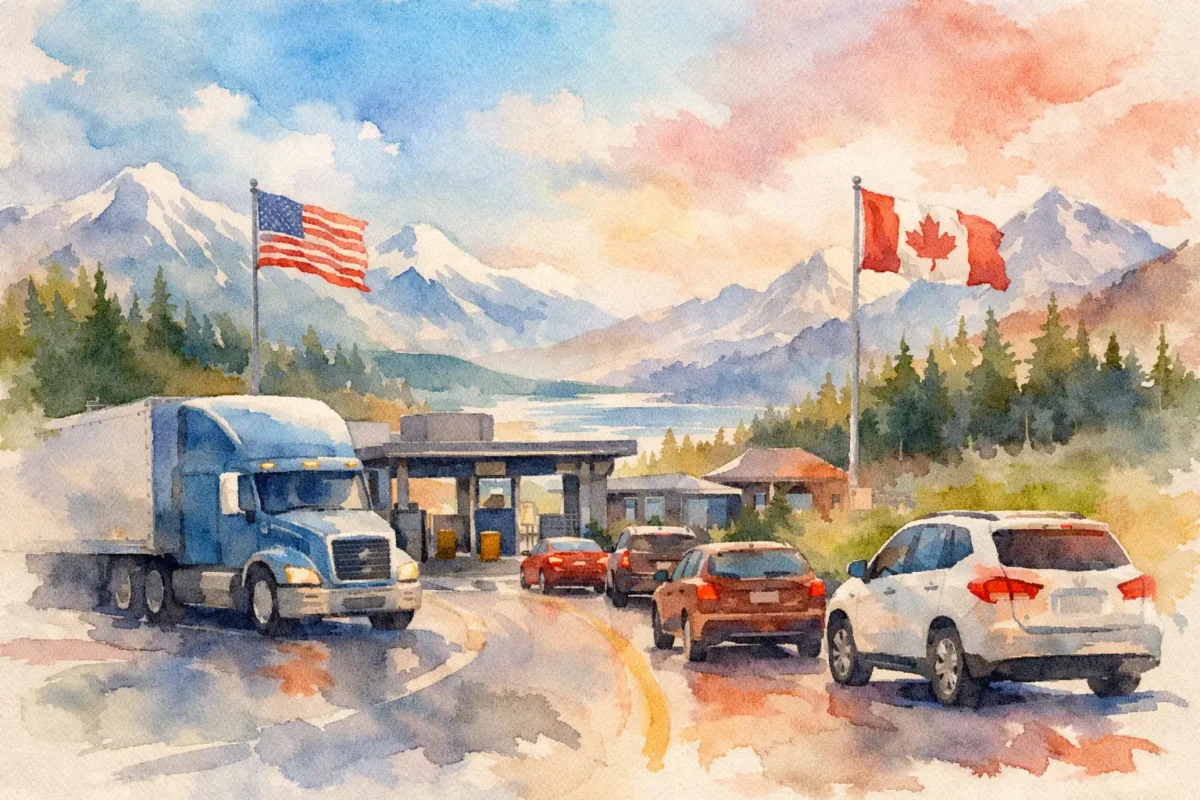
A vehicle deal can fall apart at the border over something as small as a missing title stamp, an incomplete recall letter, or a filing that went in late. That is why many buyers, dealers, and commercial operators hire a us canada vehicle customs broker before the vehicle ever moves. The broker’s job is not just paperwork. It is making sure the vehicle, the documents, the timing, and the customs entry all line up so the crossing happens legally and without expensive delays.
If you are moving a car, truck, RV, trailer, bus, or piece of equipment between the United States and Canada, customs is only one part of the process. Export rules, import admissibility, safety compliance, title handling, transport scheduling, and port-specific procedures all affect whether the shipment clears smoothly. A good broker keeps those moving parts under control.
What a US Canada vehicle customs broker actually does
Many people assume a customs broker only submits entry documents to CBP or CBSA. In vehicle shipping, that is too narrow. A qualified US Canada vehicle customs broker usually coordinates the full compliance path, starting before pickup and ending after release.
On the US export side, that often means reviewing the title, checking whether the vehicle is eligible to leave the country, and making sure the required 72-hour prior notice is filed correctly with the export port. If the title is wrong, unsigned, branded in a way that creates extra scrutiny, or simply not available yet, the whole move can stop before it starts.
On the Canadian import side, the broker may handle customs release, taxes and duties assessment, RIV-related steps for qualifying vehicles, and document review tied to admissibility. On the US import side, the work can include DOT, NHTSA, and EPA coordination, along with customs entry and bond handling where required. The exact scope depends on the vehicle type and the direction of travel.
That is why experience matters. A passenger sedan purchased in a private sale is one thing. A semi tractor, salvage truck, fifth-wheel RV, or commercial trailer can trigger a very different set of rules.
Why border vehicle moves go wrong
Most border problems are not dramatic. They are procedural. The wrong assumption causes the delay.
A buyer may think a bill of sale is enough when the port requires the original title. A dealer may assume every vehicle built for the Canadian market can be brought into the US without modification. A transporter may arrive before export clearance is on file. Someone may book shipping before confirming whether the VIN qualifies for import.
These mistakes cost time, storage, rescheduling fees, and sometimes the sale itself. They also create stress for first-time buyers who are already dealing with payment, pickup, and insurance.
A broker helps by catching issues early. That includes basic but critical questions: Is the title negotiable and complete? Does the vehicle have an open recall issue? Is it subject to RIV? Does it need an AES filing? Is there a manufacturer compliance issue? Is the crossing port the right one for this type of export? Those answers should be clear before the truck is dispatched.
When you need a broker and when you really should not skip one
Some customers can technically file certain parts themselves. That does not mean it is the smart move.
If you are a private buyer importing one vehicle from an auction, a marketplace seller, or a Bring a Trailer purchase, professional help usually pays for itself in reduced risk. The same is true if the vehicle has any complication at all – salvage history, lender paperwork, commercial classification, modification history, missing labels, or tight delivery timing.
For dealers and repeat importers, a broker becomes even more valuable because speed and consistency matter. One missed filing can tie up inventory and disrupt the next several loads. Commercial operators moving trucks, machinery, buses, or trailers should also avoid treating vehicle customs like general freight customs. The documentation path is often different, and so are the consequences of getting it wrong.
Documents that usually matter most
Vehicle moves live and die by document accuracy. The title is usually the first checkpoint. It must be the correct ownership document, properly signed, and submitted on time to the correct port when export notice is required.
Beyond that, customs and compliance teams may need the bill of sale, VIN details, government-issued identification, carrier information, power of attorney, manufacturer labels, recall clearance documents, and import forms tied to EPA, DOT, or Canadian processing requirements. Commercial units may require additional classification support and business paperwork.
What catches people off guard is that not every missing document causes the same problem. Some issues prevent export. Others prevent import. Others let the vehicle cross but block registration later. A seasoned broker looks at all three stages, not just the moment of border release.
Passenger cars are not the whole story
A lot of online advice about cross-border importing is written around standard consumer vehicles. That leaves out a large part of the market.
Heavy-duty trucks, semi tractors, trailers, buses, RVs, and equipment often involve extra review because they may fall under different safety standards, weight classes, or intended-use categories. The transport method also matters. A drivable pickup crossing on its own wheels is a different operation than a non-running auction vehicle on a carrier or a commercial trailer being towed behind a tractor.
This is where a full-service operator has an advantage. If the same company can manage customs, compliance, storage, and transport, fewer details get lost between vendors. That is especially useful when timing is tight or the unit has to move through major border hubs before final delivery.
Choosing the right US Canada vehicle customs broker
Not every broker is built for vehicle work. Some handle mostly general freight and only occasionally touch auto files. That can create gaps when the shipment involves title export rules, vehicle admissibility, or registration-related compliance.
Look for a broker that works specifically with cross-border vehicles and understands both the customs side and the operational side. Ask what types of units they handle. Cars and SUVs are a start, but experience with auction vehicles, dealer inventory, commercial trucks, trailers, and specialty units tells you more.
You should also ask how they manage the process. Do they review documents before the vehicle is dispatched? Do they coordinate export notice timing? Can they support DOT, EPA, NHTSA, or RIV steps where needed? Can they arrange transport and storage if the border date changes? Those are practical questions, and the answers will tell you whether you are hiring real support or just a filing desk.
A company like Bidbuy Importers stands out when the job needs end-to-end handling rather than isolated customs paperwork. That matters when one delay affects pickup, carrier scheduling, border release, and final delivery all at once.
What the process usually looks like
The cleanest moves start with a document review before money changes hands or transport is booked. That review confirms the title status, VIN, seller paperwork, and the basic import path.
Next comes export planning. If the vehicle is leaving the US, the export port must receive the title documents within its required notice window. If an AES filing applies, that has to be handled correctly as well. This is the stage where many self-managed shipments fail because the customer assumes the carrier or seller is taking care of it.
After export clearance is in place, the import side can be prepared. That includes customs entry, taxes and duties review, and any compliance forms needed for the destination country. Once the vehicle is released, the job may still continue with transport, storage, or final registration-related support.
There is no single script for every file. A clean-title late-model sedan may move quickly. A modified truck, salvage vehicle, or commercial unit may need extra checks. The right broker tells you which kind of file you have before the problem shows up.
The real value is fewer surprises
People usually start looking for a broker because they want help with customs. What they end up valuing most is control. They want to know the title is acceptable, the export notice is filed, the vehicle is admissible, the carrier is arriving at the right time, and the border will not reject the shipment over a preventable detail.
That is the real role of a us canada vehicle customs broker. It is not just submitting forms. It is reducing risk across the entire move.
If you are buying or moving a vehicle across the border, the smartest first step is not booking transport. It is making sure the paperwork and compliance path are solid before the wheels start turning.