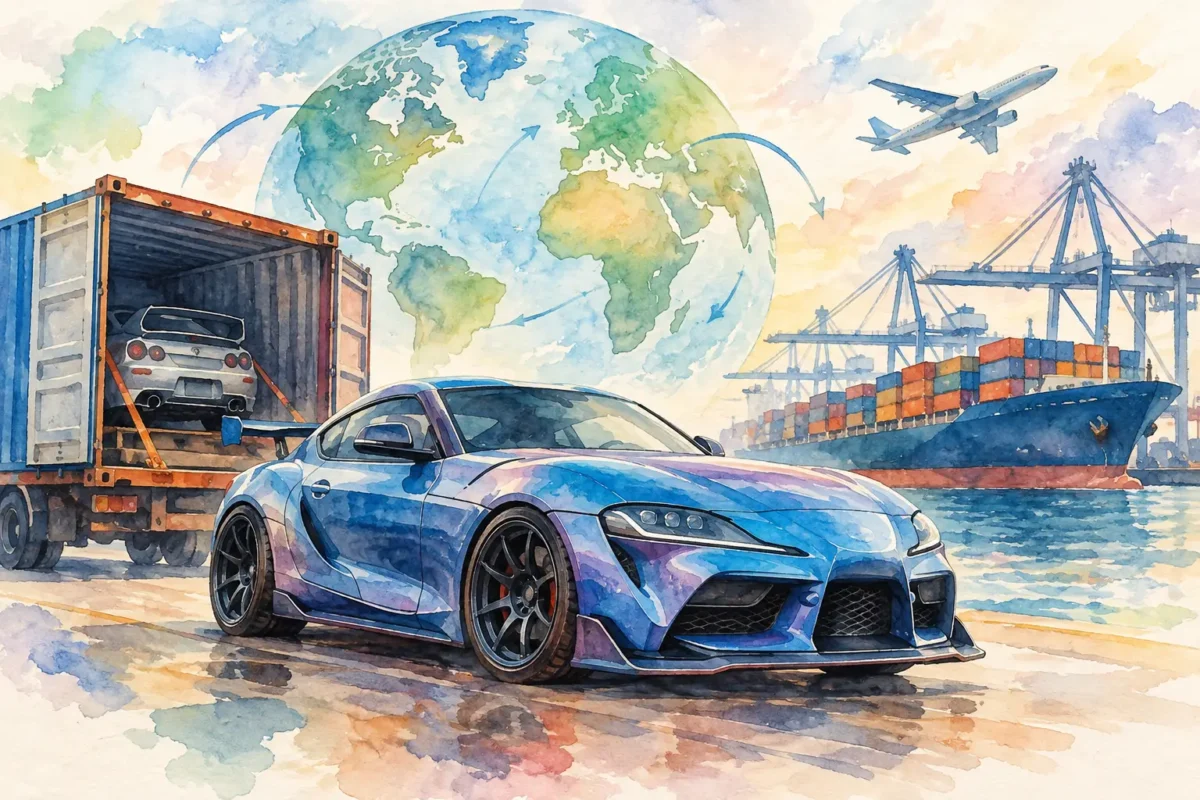
A modified car can be an excellent cross-border purchase – until it reaches the border without the documents or compliance path to support it. If you are asking, can I import modified cars, the short answer is yes, sometimes. The real answer depends on where the vehicle was built, what was changed, whether the changes affect safety or emissions systems, and which direction the vehicle is moving.
A lift kit, aftermarket wheels, performance tune, engine swap, imported lighting package, deleted emissions equipment, or race-only parts can turn a routine import into a vehicle that needs closer review. The smartest time to identify those issues is before you buy, not when a carrier is scheduled and customs paperwork is already underway.
Can I Import Modified Cars Into the United States?
For U.S. importation, the central question is whether the vehicle complies with applicable federal safety and emissions requirements or qualifies for a lawful exception. A vehicle originally manufactured for the U.S. market is generally the simplest starting point, but modifications can still create problems if they remove, disable, or alter required equipment.
The National Highway Traffic Safety Administration, or NHTSA, governs federal motor vehicle safety standards. The Environmental Protection Agency, or EPA, oversees emissions requirements. U.S.-market vehicles commonly have certification labels that help establish original compliance. Those labels matter, but they do not automatically clear a vehicle that has been materially altered after it left the factory.
For example, aftermarket cosmetic work may present little federal concern if the vehicle retains required lighting, bumpers, glazing, restraints, and other safety equipment. A modified exhaust, catalytic converter removal, engine conversion, or emissions-system delete is different. Those changes may prevent the vehicle from meeting EPA requirements, even if the car runs well and has a clean title.
A vehicle built for another market can require a more involved process. If it was not originally certified to U.S. standards, it may need to be imported through a Registered Importer and modified to comply, if it is eligible. Not every foreign-market vehicle is eligible, and not every modification can be corrected economically. Vehicles that are at least 25 years old may qualify for the federal age-based safety exemption, but EPA rules are separate and still need to be addressed.
State registration requirements are another layer. Federal entry is not the same as being able to title, insure, or register a car in your state. California and other states with stricter emissions programs can create additional hurdles for modified vehicles.
Importing a Modified Vehicle From the U.S. Into Canada
When a vehicle is moving from the United States into Canada, the process is typically centered on Transport Canada admissibility, the Registrar of Imported Vehicles program, recall clearance, customs requirements, and provincial registration standards.
Many U.S.-built vehicles are admissible to Canada, but modifications can affect whether the vehicle can pass the required inspection and be registered for road use. Daytime running lights, metric speedometer display, child restraint anchorage requirements, lighting, tires, and other equipment may need attention depending on the vehicle and its original configuration.
Modified trucks and SUVs deserve special attention. Suspension lifts, oversized tires, wheel spacers, altered bumpers, and lighting changes can raise inspection or provincial compliance concerns. A truck may clear the border but still fail a provincial inspection if its equipment does not meet local rules. The same principle applies to engine swaps, exhaust modifications, and removed emissions equipment.
Recall clearance is also essential for many Canadian imports. An open safety recall can delay the RIV process until the recall is completed or properly documented. Before purchase, confirm the vehicle identification number, review open recalls, and make sure the seller can provide the documents required for export and import.
Modifications That Need a Closer Look
Not all modifications carry the same risk. The goal is not to avoid every aftermarket part. It is to identify changes that affect a vehicle’s legal roadworthiness, certification, or emissions status.
Be especially careful with these types of work:
- Engine swaps, turbo or supercharger conversions, ECU tuning, and fuel-system changes
- Catalytic converter removal, emissions deletes, modified exhausts, and tampered diagnostic systems
- Airbag, seat belt, steering, brake, or suspension changes
- Noncompliant headlights, taillights, turn signals, window tint, and imported lighting assemblies
- Lift kits, lowered suspensions, oversized tires, altered bumpers, and wheel fitment changes
- Salvage, rebuilt, flood, or race-only vehicles that have been modified for track use
A performance car with a factory emissions system and professionally installed suspension components may be workable. A vehicle with an undocumented engine swap, missing catalytic converters, and aftermarket lights with no required markings is far more likely to create delays, additional expense, or an unsuccessful import plan.
Documentation makes a major difference. Keep invoices for major parts and installation work, emissions documentation where available, photographs of the vehicle, and any records showing that original safety equipment remains in place. These records do not override the law, but they help explain what has been done and allow a compliance specialist to assess the vehicle accurately.
Start With the VIN, Not the Seller’s Description
Online listings often use phrases such as “street legal,” “fully built,” “show car,” or “passes inspection.” Those statements are not a substitute for import eligibility. Sellers may not know the rules for the destination country, and a vehicle that is legal in one state or province may not be admissible or registrable elsewhere.
Before sending payment, obtain the VIN, clear photos of the certification labels, the title, and detailed photos of the engine bay, exhaust, suspension, lights, dashboard, and underbody. Ask exactly what has been modified. Do not accept “bolt-ons only” as a complete answer. Find out whether the emissions equipment is intact, whether the ECU has been tuned, whether the engine is original, and whether airbags or restraint systems have been changed.
You should also confirm title status early. Exporting a U.S. vehicle commonly requires the original title to be submitted to U.S. Customs and Border Protection at least 72 hours before export at the port of crossing. A lien, missing title, title brand, or incorrect ownership information can stop the shipment before it reaches the border.
Build Time Into the Import Plan
Modified vehicles often take longer than stock vehicles because there are more questions to answer. Rushing can lead to storage fees, missed transport appointments, border delays, or buying a vehicle that cannot be used as intended.
A practical plan starts with a pre-purchase review. Confirm the VIN and title, identify every material modification, determine the direction of travel, and verify the likely compliance route before arranging transport. Then coordinate export notice, customs entry, inspections, and delivery around the actual requirements of that specific vehicle.
Commercial buyers should use the same discipline at scale. A dealer importing multiple specialty vehicles may save money by screening auction inventory before bidding instead of handling exceptions after the purchase. This is particularly valuable for modified diesel trucks, collector vehicles, performance cars, RVs, and commercial units with equipment changes.
When Professional Import Help Is Worth It
A standard, unmodified vehicle with complete documents can be straightforward. A modified vehicle is different because transportation, customs, safety standards, emissions rules, export timing, and destination registration can all overlap.
Bidbuy Importers helps buyers and dealers coordinate the cross-border process from document review and export filing through customs clearance, RIV processing, storage, and vehicle transport. The best outcome is not simply getting the car across the border. It is getting there with a compliance plan that supports the vehicle’s next step – inspection, registration, and use.
Before you commit to a modified vehicle, gather the VIN, title details, modification list, and photos. A few minutes of review before purchase can protect you from a much more expensive problem at the border.